Reasons to use a Drone in Construction
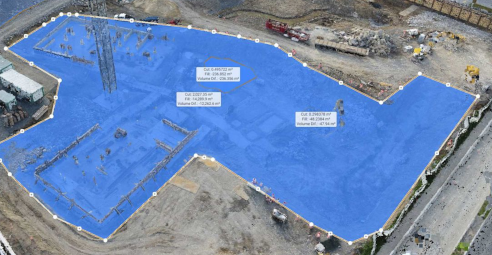
Site Surveying & Mapping
Generating orthomosaic maps. Provides an accurate, up-to-date view of the entire construction site.
Creating 3D terrain models. Helps with earthwork calculations and site planning.
Conducting topographic surveys. Assists in infrastructure development and site preparation.
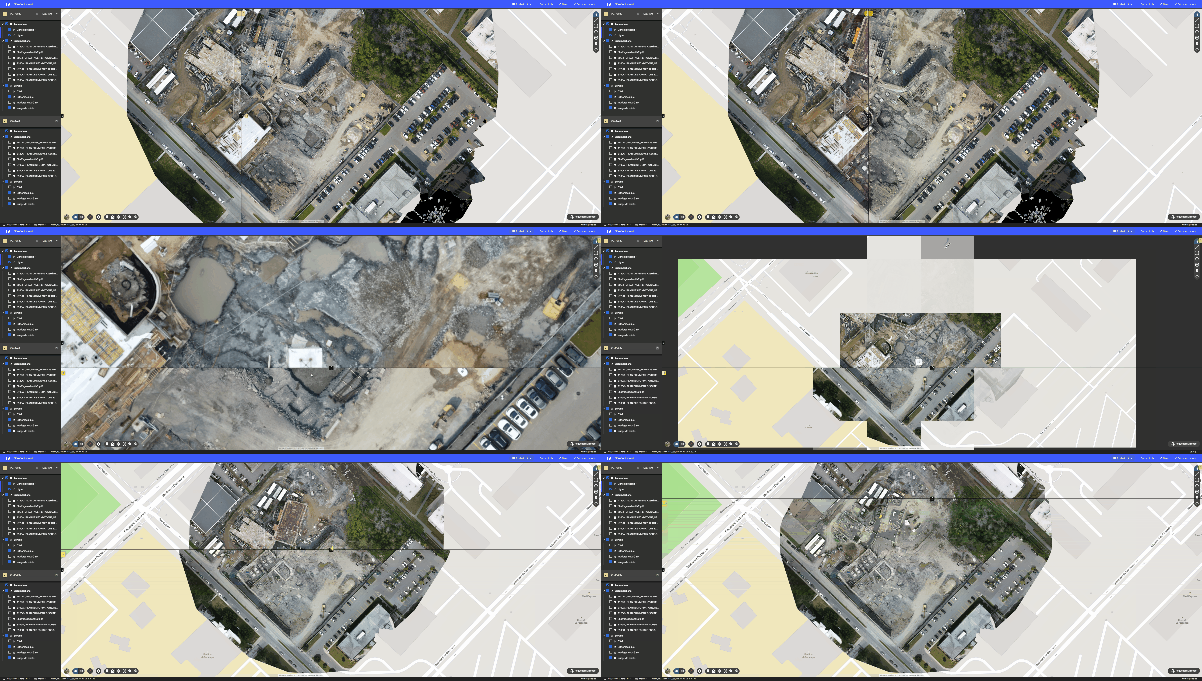
Progress Monitoring
Documenting weekly progress. Captures aerial photographs for side-by-side comparisons.
Comparing as-built conditions. Identifies discrepancies between plans and actual construction.
Sharing visual updates. Provides stakeholders with real-time insights into project status.
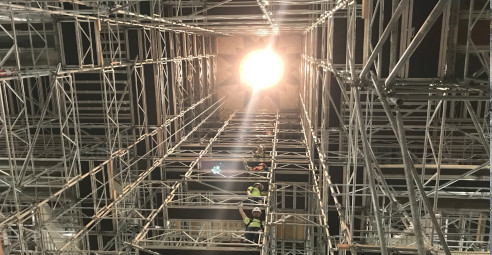
Safety Inspections
Inspecting scaffolding and high structures. Reduces the need for manual inspections at height.
Monitoring compliance with safety protocols. Ensures workers adhere to OSHA regulations.
Detecting environmental hazards. Identifies gas leaks, unstable structures, or unsafe conditions.
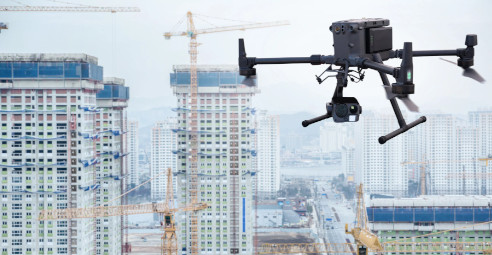
Equipment Tracking
Locating machinery across expansive sites. Reduces time spent searching for misplaced equipment.
Monitoring equipment usage. Helps schedule maintenance and prevent unexpected breakdowns.
Preventing unauthorized use or theft. Enhances security by tracking movement and usage patterns.
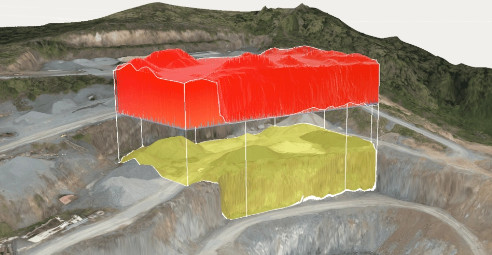
Stockpile Measurement
Calculating volumes of materials. Improves inventory management and ordering accuracy.
Assessing material usage rates. Helps optimize supply chain efficiency.
Planning material orders. Reduces waste and ensures resources are available when needed.
Quality Control
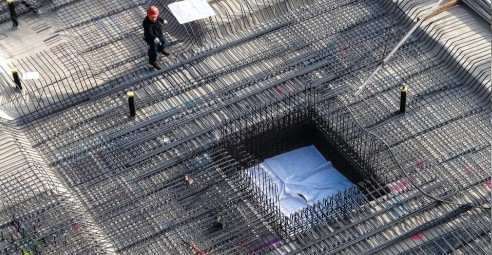
Detecting misalignments in structural components. Ensures construction accuracy before major work continues.
Ensuring uniformity in installations. Identifies inconsistencies in materials or finishes.
Verifying compliance with building codes. Provides documentation for regulatory approvals.
Environmental Monitoring
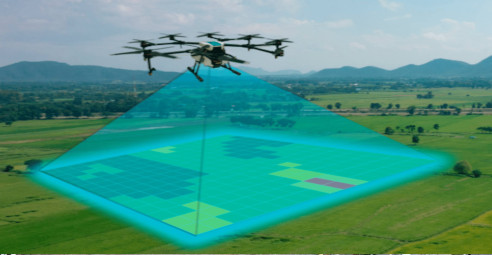
Measuring air quality. Detects pollutants and ensures workplace safety.
Monitoring water runoff and sediment control. Helps prevent environmental damage from construction activities.
Assessing noise levels. Ensures compliance with local noise regulations.
Security Surveillance
Conducting perimeter surveillance. Helps secure construction sites from intruders.
Identifying unauthorized personnel. Tracks movements and alerts security teams.
Deterring potential intruders. Visible drone presence discourages theft and vandalism.

Marketing & Client Updates
Creating promotional videos. Highlights projects for marketing and investor presentations.
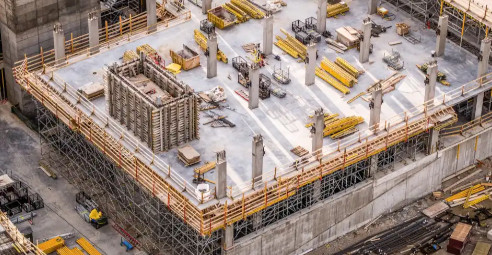
Providing clients with visual progress reports. Keeps stakeholders informed with professional aerial imagery.
Documenting milestones. Preserves key project achievements for historical records.
Infrastructure Inspections
Inspecting bridge integrity. Identifies cracks, corrosion, and structural weaknesses.
Assessing road surface conditions. Helps prioritize maintenance and resurfacing projects.
Evaluating utility lines. Ensures infrastructure is compatible with new construction.